Small Rooms, Lasting Calm
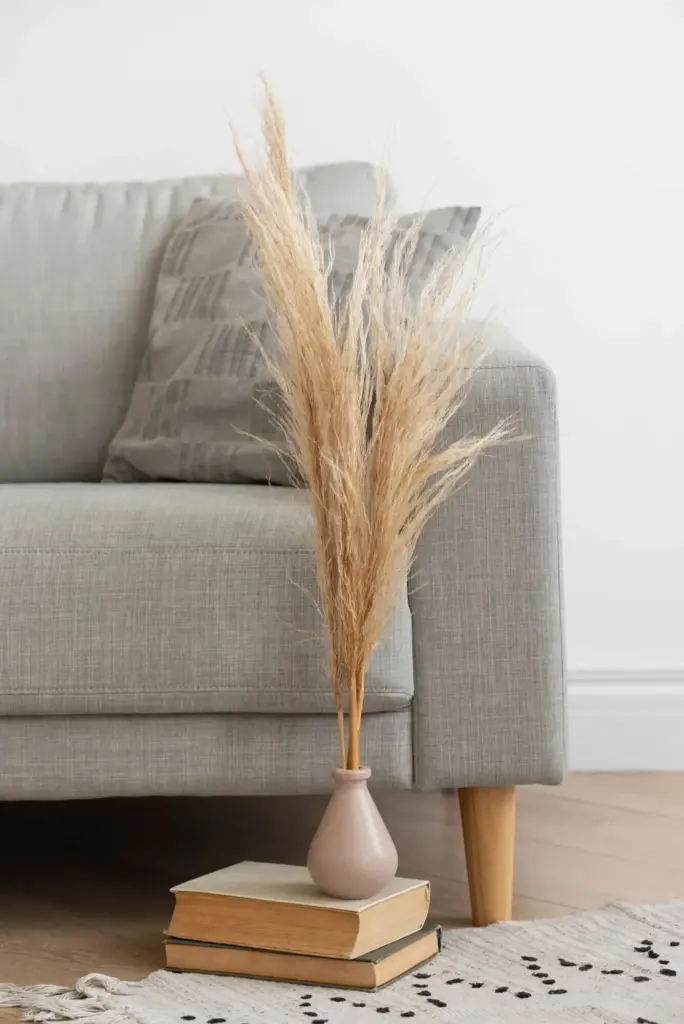
Today we explore elevating small spaces with quiet elegance, turning compact rooms into calming sanctuaries through refined proportion, layered lighting, thoughtful storage, tactile softness, and rituals that honor daily life. Expect practical dimensions, soulful anecdotes, and gentle prompts to personalize, share, and keep learning together.

Proportion, Breath, and Visual Stillness

When square footage is modest, proportion becomes a language of kindness. Choose silhouettes that respect circulation, celebrate negative space, and let your eyes rest on gentle lines rather than visual noise. This approach does not demand austerity; it invites clarity, allowing every object to feel intentional, supportive, and quietly elegant without shouting for attention or crowding daily movements.

Scale That Fits

Right sizing determines whether a room exhales or clenches. Aim for clear walkways of roughly 75 to 90 centimeters, select sofas with delicate legs rather than bulky skirts, and prefer compact depths over oversized lounging. Keep table heights aligned for easy flow, leave a breathing margin around pieces, and watch how restraint heightens comfort. Share your favorite dimension trick for small rooms.

Color That Whispers

Pair soft neutrals with tonal variations to calm boundaries and lengthen sightlines. Walls with higher light reflectance values bounce brightness deeper, while trim in a slightly warmer or cooler whisper creates dimension without hard contrast. Consider the 60 30 10 balance, but let texture carry the drama. Test swatches in morning and evening light, then tell us which shade softened your space most.

Light That Lingers

Let daylight travel. Hang curtains higher and wider to lift the ceiling and reveal more glass, layer sheer panels for glow, and guide reflections with a well placed mirror. Choose matte finishes to diffuse rather than glare. One reader moved a mirror opposite a window and described breakfast as suddenly sunlit poetry. Try it, photograph the change, and share your before and after story.

Furniture with Quiet Superpowers

Pieces that multitask extend calm by reducing the number of objects in view. Look for slender profiles, rounded corners, and lift up or fold away features that appear only when needed. When function hides gracefully within form, visual clutter drops, room lines read as one, and the eye glides uninterrupted. Fewer, better items become daily allies and gracious hosts for living beautifully small.

Transforming Pieces

Consider a wall bed with integrated shelves, a drop leaf table that shifts from solo tea to dinner for four, or nesting tables that circulate like quiet helpers. A daybed can host guests and lounge hours without dominating the footprint. Keep mechanisms smooth and handles discreet. Tell us which transforming piece surprised you most, and how it changed your daily rhythm for the better.

Storage in Disguise

Seek ottomans that hide blankets, benches with deep drawers, and coffee tables with secret compartments for remotes and chargers. Toe kick drawers in kitchens turn forgotten inches into gold. Match finishes to walls for visual calm, and use felt organizers to hush contents. Share your stealthiest storage win, and tag a friend who needs a reminder that tidiness can feel genuinely beautiful.

Legibility and Lines

When shapes communicate clearly, rooms feel larger. Favor open bases that reveal flooring, consistent surface heights that align across pieces, and slim edges that do not thicken silhouettes. Repeating a gentle radius ties disparate items together. Imagine the space as sheet music, where each line supports a quiet rhythm. Post a snapshot of your most legible corner and the one tweak that achieved it.

Layers of Light, Layers of Ease

Lighting clarifies mood and scale. Combine ambient glow, focused task beams, and soft accents to avoid flatness and shadows that crowd corners. Warm temperatures around 2700 to 3000 Kelvin relax evenings, while dimmers adjust energy without rearranging furniture. Plug in sconces create vertical interest and free surfaces. With layers set, volume feels measured, and evenings end with gentle exclamation points.

Ambient Foundations

Begin with diffused light that fills the room without harsh edges. A ceiling lantern or shaded floor lamp can float glow evenly. Aim for bulbs with high color accuracy so finishes read honestly. Bounce light off white ceilings to extend height, and avoid exposed glare. Tell us your go to ambient setup and how it changed conversations, quiet reading, or unwinding after work.

Task Becomes Ritual

Reading lamps, under cabinet strips, and swing arm sconces carve intimate islands for focus. Keep beams narrow where concentration matters and soften spill elsewhere. Position lights slightly forward of where hands work to minimize shadows. When tasks become rituals, clutter retreats. Share your favorite pre bed lighting routine, including brightness, color warmth, and the one small habit that signals gentle closure.

Accents and Reflection

Accent lights anchor treasured objects and deepen perceived space. Place a small uplight behind a plant, a micro spotlight over art, or a candle on a mirrored tray to multiply glow. Mirrors opposite lamps double softness without extra fixtures. Experiment for a week, note what feels kinder at night, and report back with the placement that brought the biggest, quietest smile.

Textiles that Soften

Think linen that breathes, bouclé that hugs light, wool that warms without heaviness, and cotton percale that rustles like a lullaby. Combine flat weaves and plush piles to tune steps and sightlines. Add a heavy throw for movie nights and a textured cushion for lumbar kindness. Describe your favorite fabric pairing, where you placed it, and how it quieted a bustling corner.

Acoustic Elegance

Bookshelves loaded with stories double as sound absorbers, while upholstered panels behind a bed soften reflections. Thick drapery across a single wall can hush the entire room. Soft close hinges and bumpers keep cabinets respectful. Notice how doors no longer announce themselves. Invite a friend over, clap once, and listen together for the difference. Share a before and after echo anecdote.

Quiet Underfoot

A good rug pad mutes footfall more than an extra cushion on the sofa. Consider cork tiles in work nooks, or layered runners in long corridors to slow sound and guide motion. Choose colors that melt into the floor for spaciousness. If pets are part of the family, test durability first. Tell us which combination softened your steps and elevated everyday comfort most.

Flow, Micro-Zones, and Invisible Boundaries

Little rooms thrive when activities have gentle edges. Use rugs, light cones, open shelving, and low screens to suggest areas without carving the space into fragments. Keep door swings clear, align pathways, and let movement feel inevitable rather than negotiated. The result is dignity in daily tasks and a room that seems to breathe at the pace you actually live.

Circulation without Clutter

Plan routes first, furniture second. Reserve a clear path of about 80 centimeters where possible, and avoid placing handles or jutting corners in the corridor. A round table often eases traffic better than a square one. Try masking tape to sketch flows before committing. After a week, notice stress fading from transitions. Report your cleverest layout move, especially in tight living dining combos.

Vertical Zoning

Walls can host more than art. Shallow shelves define a study nook, rails suspend plants, and tall cabinets become quiet partitions without blocking light. Vary height thoughtfully, keeping the top line calm. A single high shelf circling a room adds storage and a gentle horizon. Share a snapshot of your vertical solution, plus the one unexpected convenience it created for everyday routines.

Tiny Entries, Big Welcome

A slim bench, a peg rail, and a small tray can tame arrivals gracefully. Mount a narrow mirror to bounce light and check details without crowding. Hooks labeled by habit help keys and masks find home. Choose a washable runner to absorb footsteps. Tell us your most successful entry ritual and the one object you removed that instantly gave the threshold a sigh of relief.

Styling with Intention and Story

Curation breathes where accumulation smothers. Edit collections into meaningful constellations, leave empty space as a deliberate gesture, and let a few cherished objects speak. Quiet elegance grows from what remains after unnecessary items depart. Invite conversation with pieces that carry memory. Then pause, notice how air moves differently, and share the one object you would rescue during a five minute edit.

Curate, Don’t Accumulate

Group objects by tone, material, or mood, and keep counts purposeful. Odd number clusters feel lively without clutter, while trays set boundaries that read as calm. Store the rest in labeled boxes so rotation feels like a gift rather than guilt. Photograph each arrangement to learn from it, then post your favorite pairing and why it still feels fresh after a full month.

Green Calm

Plants scale serenity perfectly. Try slender trees that lift the eye, trailing vines that soften corners, and herb pots that perfume routines. Use lightweight planters with subtle texture, and gather similar species for cohesion. Mind light needs honestly, and water with restraint. Share your most forgiving plant for small rooms and the one tip that finally kept leaves gleaming through winter’s low sun.

Manemuruxamozazakuni
Privacy Overview

This website uses cookies so that we can provide you with the best user experience possible. Cookie information is stored in your browser and performs functions such as recognising you when you return to our website and helping our team to understand which sections of the website you find most interesting and useful.